
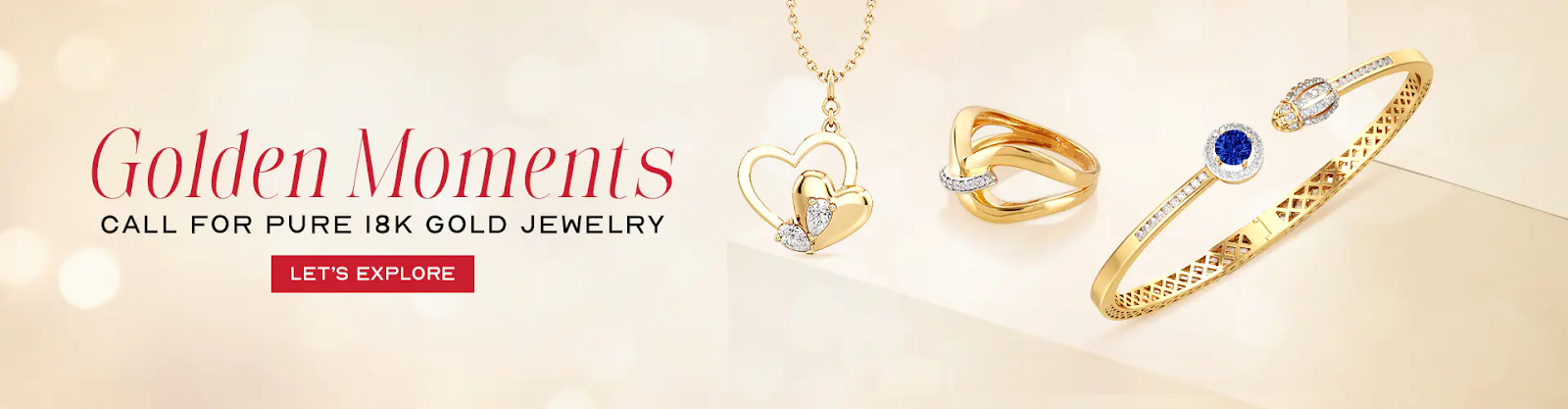
Gold jewellery has always been associated with beauty, value, and long-term investment. However, when it comes to buying gold for personal use, many buyers find themselves confused between different purity levels. Among the most commonly discussed options are 14k and 18k gold. Understanding the real differences between these two is essential, especially if you are planning to wear gold jewellery regularly rather than storing it away. This detailed comparison of 14k vs 18k gold explores purity, price, durability, appearance, maintenance, and suitability for everyday wear—without undermining either choice.
Gold purity is measured in karats, with 24k being pure gold. Since pure gold is naturally soft, it is mixed with other metals like copper, silver, zinc, or nickel to improve strength and usability. 18k gold contains 75% pure gold and 25% alloy metals, while 14k gold contains 58.3% pure gold and 41.7% alloys. This fundamental difference affects almost every aspect of the jewellery, from color and durability to price and maintenance.
One of the most noticeable differences is color. 18k gold has a richer, warmer yellow tone due to its higher gold content. This makes it a favorite for luxury jewellery, bridal sets, and statement necklaces. 14k gold, on the other hand, has a slightly lighter tone. Some people actually prefer this subtler shade, especially in modern or minimalist designs. For rose gold and white gold jewellery, the color difference between the two becomes even less noticeable, making 14k gold an attractive alternative.
Price is often a deciding factor for buyers. Since 18k gold contains more pure gold, it is naturally more expensive per gram. Making charges and design complexity further increase the final price. 14k gold is more affordable, allowing buyers to opt for larger designs or more intricate craftsmanship within the same budget. In the debate of 14k vs 18k gold, cost-conscious buyers often lean toward 14k because it offers the beauty of gold without a heavy financial commitment.
Durability is where 14k gold truly shines and should not be dismissed. Due to its higher alloy content, 14k gold is harder and more resistant to scratches, dents, and bending. This makes it ideal for everyday jewellery such as rings, bracelets, chains, and earrings that are worn frequently. 18k gold, while still durable, is softer in comparison and may show signs of wear more quickly if used daily. For people with active lifestyles or those who do not want to remove jewellery often, 14k gold can be a practical and smart choice.
When it comes to everyday wear comfort, both options have their strengths. 18k gold feels luxurious and smooth against the skin, making it popular for special occasions and formal wear. However, its softness requires a bit more care. 14k gold offers peace of mind for daily use because it can withstand routine activities better. In a realistic 14k vs 18k gold comparison, everyday practicality gives 14k gold a clear advantage without reducing its aesthetic appeal.
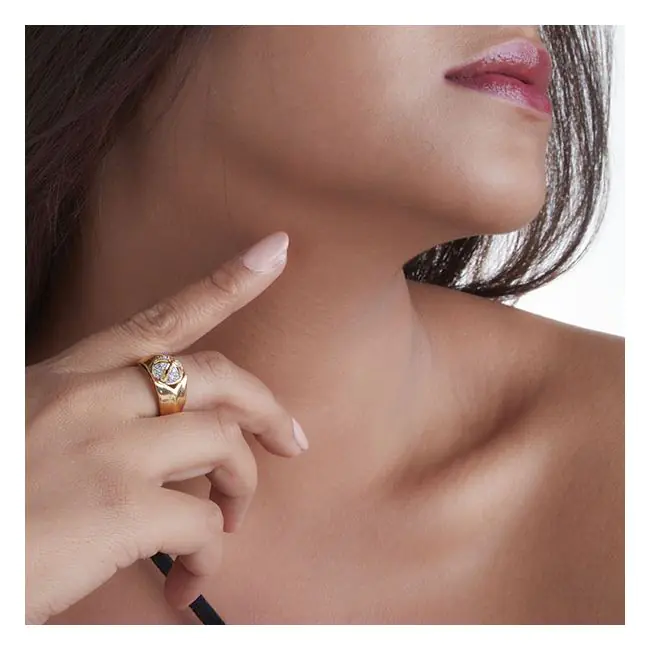
Allergy considerations are another important factor. Some people are sensitive to certain metals used in gold alloys. High-quality 14k gold is generally safe for most skin types, especially when crafted with well-balanced alloy compositions. 18k gold, with its higher gold content, is even less likely to cause skin reactions. Both can be suitable for sensitive skin, provided the jewellery is made with quality standards, so neither option should be ruled out on this basis alone.
From a design perspective, 14k gold allows more flexibility. Its strength supports delicate prong settings, detailed engravings, and gemstone-heavy designs more securely. This is one reason why many modern jewellery designs, including engagement rings and contemporary necklaces, are crafted in 14k gold. 18k gold is often chosen for bold, traditional designs where the richness of gold is the main highlight rather than intricate structural elements.
Investment value is another area where buyers often compare these two options. 18k gold holds a higher intrinsic gold value due to its purity, which can be beneficial if resale value is a priority. However, 14k gold should not be viewed negatively here. While its resale value per gram is lower, its affordability and durability often mean better cost-to-use value over time. Jewellery is not always bought purely as an investment, and 14k gold performs exceptionally well as a long-term wearable asset.
Cultural preferences also play a role. In many traditional settings, higher purity gold like 18k is favored for weddings and ceremonial occasions. At the same time, global trends increasingly support 14k gold for daily wear and contemporary fashion. This shift highlights that the 14k vs 18k gold discussion is not about right or wrong, but about purpose and personal lifestyle.
In conclusion, both 14k and 18k gold offer distinct advantages and deserve equal consideration. 18k gold stands out for its rich color, higher purity, and luxurious appeal, making it ideal for special occasions and classic designs. 14k gold excels in durability, affordability, and everyday practicality, making it a strong and sensible choice for regular wear. Rather than dismissing 14k gold, it should be recognized as a versatile and intelligent option for modern jewellery buyers. The best choice ultimately depends on how often you plan to wear the jewellery, your budget, and your personal style preferences.
Jewellery Ideas
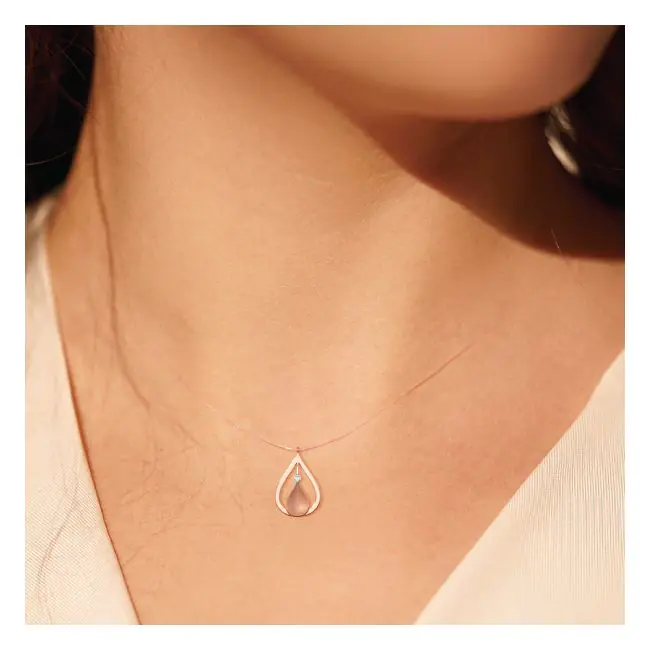
Raah Necklace
Get ready to glow in the Raah necklace in yellow gold. This handcrafted 18k jewellery captures the essence of a raindrop with its smooth, golden silhouette. A sparkling stone sits within, reminding the sunlight catching on water. Refined and graceful accessory.


Circlet White Stone Earrings
Simple, but never shy. The circlet white stone earrings play with a flame-inspired silhouette—two teardrops cradling yellow and white diamonds like a quiet spark. Easy to wear, easier to love—just the kind of everyday glow your jewellery box secretly wishes for.
Please complete your information below to login.
Sign In
Create New Account