
Diamonds have long represented timeless elegance, significant milestones, and cherished moments. But as we move deeper into 2026, a major question continues to surface among modern buyers and jewellery lovers alike: are lab grown diamonds worth it? With ever-evolving technology, shifting consumer values, and new alternatives in the gemstone market such as the lab grown sapphire, today’s diamond buyer has more choices—and more confusion—than ever before. To understand the true value of lab grown diamonds in 2026, it’s important to explore their cost, meaning, longevity, scientific differences, and resale dynamics alongside traditional natural stones.
At the heart of this conversation is the question of authenticity. Lab grown diamonds are real diamonds in every scientific sense. Whether you’re considering a traditional round cut, modern fancy shape, or a diamond ring lab grown for a special occasion, these stones are chemically and physically identical to mined diamonds. The primary difference lies in their origin. Instead of forming deep beneath the earth over millions of years, lab diamonds are created in controlled facilities using processes like high-pressure high-temperature (HPHT) and chemical vapor deposition (CVD). Among these, cvd lab grown diamonds have gained particular attention because they allow for precise control of growth conditions, resulting in high-quality stones with excellent optical properties.
One of the first reasons buyers ask are lab grown diamonds worth it is price. In 2026, cost remains one of the most compelling advantages. Lab grown diamonds typically cost less than their natural counterparts, opening the door for buyers to choose larger carat weights, better clarity, or preferred settings without stretching budgets. The savings are especially noticeable when comparing similar specifications side by side. While a natural diamond reflects years of geological development and mining costs, lab grown stones reflect technological efficiency and more controlled production expenses. This price-value ratio has drawn many buyers toward lab diamonds without sacrificing visual appeal or sparkle.
However, price alone isn’t the only metric that determines worth. The ongoing comparison of natural vs lab grown diamonds also brings emotional and cultural factors into the conversation. Natural diamonds carry heritage, rarity, and sometimes even family legacy. They are geological miracles created over millions of years, and for some buyers, this element of natural history is a non-negotiable part of a diamond’s allure. Lab diamonds, by contrast, represent innovation, sustainability, and modern values. For buyers who prioritize transparency, environmental impact, and ethical sourcing, lab grown options offer peace of mind without compromising beauty.
In addition to the emotional debate, practical considerations continue to shape buyer decisions. One question that frequently arises is resilience and longevity. Both lab grown and natural diamonds rank equally on the Mohs hardness scale, making them durable for everyday wear, especially in engagement rings and high-use jewellery like a diamond ring lab grown for bridal sets. Because they are chemically identical, there is no practical difference in terms of wear and tear. Consumers can confidently choose lab grown stones for daily use without fear of compromise.
Another important consideration in 2026 is sustainability, especially as concerns around ethical mining have grown. Lab grown stones typically have a smaller environmental footprint because they bypass extensive mining operations, water usage, and land disruption. Although energy is still required in production—particularly in processes like CVD and HPHT—advancements in renewable energy and efficiencies in manufacturing help reduce overall impact. This has made lab grown diamonds more attractive for buyers who are conscious about ethical consumption and environmental responsibility. Additionally, the success of lab grown gemstones like the lab grown sapphire reinforces the growing trend toward technology-assisted gemstone creation without compromising brilliance or quality.
While lab grown diamonds have made immense progress in accessibility and acceptance, the topic of long-term value and resale remains one of the most debated aspects of are lab grown diamonds worth it. Historically, diamonds have not been strong financial investments once purchased, whether lab grown or natural. Both types experience significant depreciation after purchase because resale markets are driven by wholesale values and demand. However, natural diamonds, due to their rarity and established market history, often retain a slightly stronger resale position compared to lab grown stones. Resale values for lab grown diamonds can be lower because they are more abundant and easier to produce. That said, individual resale value depends on many factors, including size, quality, and current market conditions.
Understanding resale dynamics in 2026 means recognizing that neither lab grown nor natural diamonds should be viewed purely as financial assets. Jewellery—especially pieces like engagement rings, anniversary gifts, or heirloom pieces—holds emotional value that often outweighs financial returns. For many buyers asking are lab grown diamonds worth it, the answer lies in weighing personal priorities: sentimental significance, aesthetic preference, ethical values, and long-term intentions for the piece.
Technological advancements have also expanded consumer choice. With improved grading standards, lab grown stones now have comprehensive certifications that help buyers assess quality with confidence. Whether someone is choosing a classic solitaire, a three-stone setting, or a bespoke custom design, lab grown diamonds can be evaluated with clarity using standardized metrics. Meanwhile, innovations in gemstone creation have extended beyond diamonds to other precious stones like sapphire, ruby, and emerald. The rising interest in lab grown sapphire designs reflects a broader demand for ethically produced and affordable alternatives in every segment of fine jewellery.
Despite these advantages, it’s important to acknowledge that lab grown diamonds will not replace natural diamonds overnight. Both categories have distinct places in the marketplace. Bridal jewellery, luxury collections, and heritage pieces will continue to feature both types of stones, allowing buyers to choose based on personal taste and value alignment. The debate of natural vs lab grown diamonds will likely remain a defining conversation throughout the decade as technology advances and consumer priorities evolve.
So, are lab grown diamonds worth it in 2026? The answer ultimately depends on what “worth” means to each buyer. If value is determined by price, quality, ethical considerations, and the ability to customize without financial strain, then lab grown diamonds present a strong case. A diamond ring lab grown can be a stunning symbol of commitment, offering the same brilliance and durability as a mined stone, often at a more accessible price point. If worth is tied more closely to rarity, geological history, and resale potential, then natural diamonds may still hold a special appeal.
In the end, both lab grown and natural diamonds are worthy choices in their own right. They each offer distinct advantages that align with varied lifestyles, budgets, and values. Whether choosing the modern appeal of a lab grown stone or the classic allure of a natural gem, buyers in 2026 are more empowered than ever to make informed decisions that reflect their unique priorities. And as technology continues to evolve, so too will our understanding of what makes diamonds—whether lab grown or natural—truly valuable.
LGD, or lab grown diamonds, are real diamonds created in laboratories, offering the same sparkle and durability as natural diamonds, while being ethical, affordable, and ideal for modern jewellery choices.
Bracelet Ideas
Ellipse Bracelet
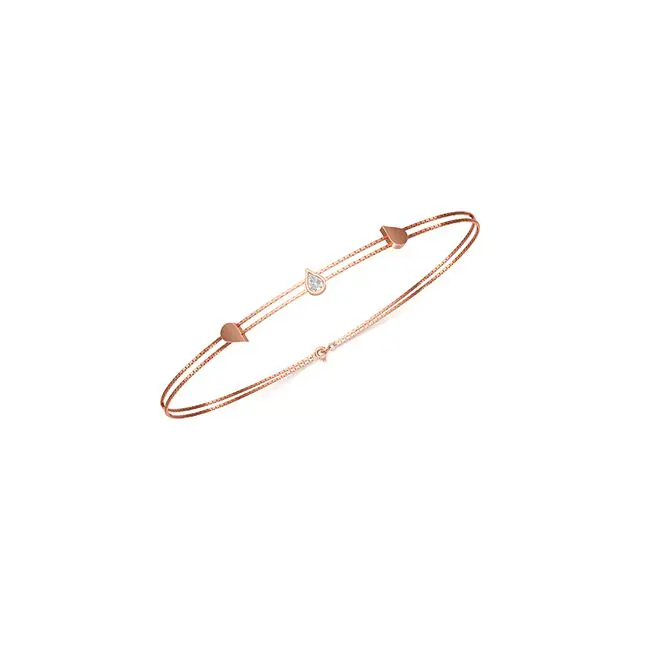
Looking for something bold yet simple? This rose gold ellipse bracelet is perfect. Inspired by moments of connection—clean lines that create beauty in simplicity. It’s rose gold with these adorable little drops, and even tiny diamonds. A timeless gold accessory.

Delicate Chain Bracelet
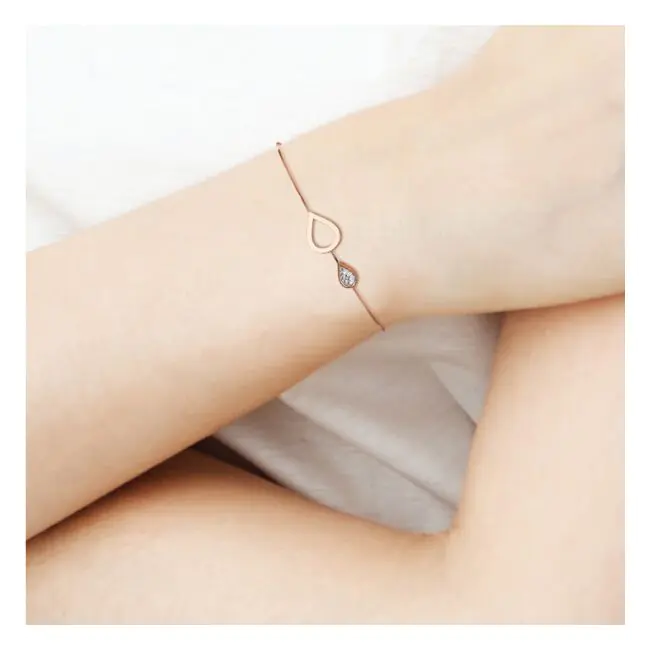
The delicate chain bracelet. A thin gold bangle with an open design features two teardrop elements, one a hollow frame, the other sparkling with diamonds. Your go-to piece, handcrafted in 18k yellow gold for adding that extra touch of sophistication
Please complete your information below to login.
Sign In
Create New Account