

Diamonds have fascinated humanity for centuries, but the way these gemstones are created has changed dramatically in recent decades. Thanks to cutting-edge technology, diamonds no longer need to be extracted from deep within the Earth. Instead, scientists can now replicate the natural diamond-forming environment inside laboratories. To truly appreciate this innovation, it helps to understand how lab grown diamonds are made and why the two main methods—HPHT and CVD—have transformed the modern diamond industry.
At their core, lab grown diamonds are real diamonds. They share the same chemical composition, crystal structure, hardness, and optical properties as natural diamonds. The only distinction lies in their origin. Natural diamonds form over billions of years under intense heat and pressure beneath the Earth’s surface, while lab grown diamonds are created in controlled environments that reproduce these conditions in a much shorter time frame. This scientific breakthrough has opened the door to diamonds that are more accessible, ethical, and consistent in quality.
To explain how lab grown diamonds are made, it’s important to explore the High Pressure High Temperature (HPHT) method first. This technique was the earliest successful approach to growing diamonds in laboratories. In HPHT, a small diamond seed is placed into a press along with a carbon source. The machine applies extremely high pressure and temperature—similar to what exists deep inside the Earth. Under these conditions, carbon melts and bonds to the diamond seed, gradually growing into a larger crystal. The result is a diamond that is virtually indistinguishable from one formed naturally.
HPHT diamonds are often known for their strong crystal structure and are sometimes used to improve the color of diamonds as well. Because this method closely mirrors natural diamond formation, it appeals to those who value geological authenticity, even in a lab-created stone. However, the equipment required for HPHT is highly energy-intensive and complex, which can influence production costs and scalability.
The second major method, Chemical Vapor Deposition (CVD), represents a more modern and flexible approach. In this process, a thin diamond seed is placed inside a sealed chamber filled with carbon-rich gases. These gases are heated until they break down into carbon atoms, which then settle layer by layer onto the seed. Over time, these layers crystallize into a diamond. This method allows for exceptional control over diamond growth, resulting in stones with high clarity and uniformity.
CVD has gained popularity because it enables precise manipulation of diamond characteristics and typically requires less extreme pressure than HPHT. It also supports more efficient production of larger diamonds, including statement stones like a 3 carat lab grown diamond, which would otherwise be significantly more expensive if mined. This scalability has played a major role in making lab grown diamonds more available to consumers worldwide.
When comparing HPHT and CVD, neither method is inherently superior; each has its own strengths. HPHT is closer to nature’s original process, while CVD excels in precision and consistency. Both produce diamonds that meet international grading standards and are certified using the same criteria as natural diamonds. From a wearer’s perspective, the sparkle, durability, and beauty remain the same.
One of the most frequently asked questions is whether lab grown diamonds are cheaper. The answer is yes—generally speaking, they are more affordable than natural diamonds of comparable quality. The reason lies in shorter production timelines, reduced supply chain costs, and the absence of mining-related expenses. This price advantage allows buyers to choose larger or higher-grade diamonds without stretching their budget, making luxury more accessible than ever before.
Another common concern is long-term value and satisfaction. Many buyers wonder, are lab grown diamonds worth it? The answer depends on what the buyer values most. For those who prioritize visual beauty, ethical sourcing, and affordability, lab grown diamonds offer excellent value. They deliver the same brilliance and emotional impact as natural diamonds, making them ideal for engagement rings, anniversary gifts, and fine jewellery meant to be worn and enjoyed.
Understanding the difference between natural and lab grown diamonds is crucial for making an informed decision. Visually and structurally, there is no difference detectable by the naked eye. Both types are graded using the same standards for cut, color, clarity, and carat weight. The distinction is disclosed through certification and advanced testing equipment. What truly sets them apart is their origin story—one shaped by nature over millennia, the other by science in a matter of weeks.
As consumer awareness grows, perceptions around diamonds are shifting. Lab grown diamonds are no longer seen as alternatives or compromises but as legitimate, forward-thinking choices. Advances in technology continue to improve production efficiency and quality, further narrowing any perceived gap between natural and lab-grown stones.
Ultimately, understanding how lab grown diamonds are made helps buyers move beyond myths and focus on facts. Whether created through HPHT or CVD, these diamonds represent the intersection of science, sustainability, and luxury. They offer a modern way to enjoy one of the world’s most treasured gemstones without sacrificing beauty or integrity.
In a world where innovation shapes tradition, lab grown diamonds stand as a testament to human ingenuity. By combining advanced science with timeless elegance, they redefine what it means to own a diamond—making brilliance not just a product of nature, but of knowledge as well.
HPHT and CVD are two lab diamond methods: HPHT uses high pressure and heat to mimic nature, while CVD grows diamonds layer by layer using carbon-rich gas.
Pendant Ideas
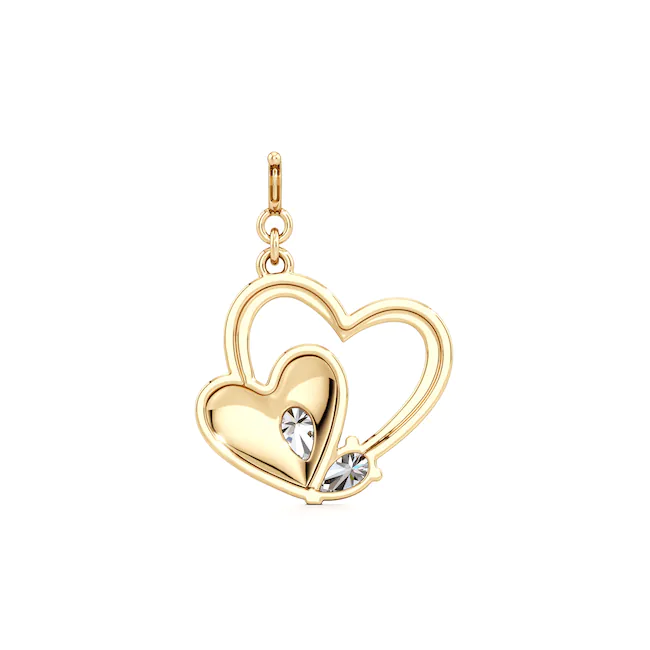
Youlry Heart Pendant
Celebrate love for what it is, for it is you. With a timeless heart-shaped gold pendant, dazzlingly crafted in 18kt gold and studded with diamond drops. Wear it close to your heart as a pendant or charm and keep shining your love onto the world forever!


Lyra Pendant
Elegant gold and sparkling stones create a beauty you can't look away from. This pendant is an ode to those who will always pull at the strings of your heart.
Please complete your information below to login.
Sign In
Create New Account