
Diamonds have long been associated with love, luxury, and lasting value. For generations, they have been the preferred choice for engagement rings, wedding jewellery, and special occasion pieces. However, the diamond industry has evolved significantly in recent years, offering buyers more choices than ever before. One of the most discussed topics today is the comparison between lab-created and mined stones. Understanding the difference between lab grown diamonds vs natural diamonds is essential for anyone planning to invest in fine jewellery or make an emotionally meaningful purchase.
At the heart of the comparison lies the origin of the stone. Natural diamonds are formed deep within the Earth over billions of years under extreme heat and pressure. They are brought to the surface through volcanic activity and mined from the earth. Lab-created diamonds, on the other hand, are produced in controlled environments using advanced technology that replicates the natural diamond-growing process. Despite their different origins, both types share the same chemical, physical, and optical properties, making them visually and structurally identical.
Price is often the first factor buyers consider when comparing diamond options. Natural diamonds are generally more expensive due to their rarity, mining costs, and long supply chain. In contrast, lab-created stones typically cost significantly less, allowing buyers to choose larger or higher-quality diamonds within the same budget. This price difference has made lab-grown options increasingly attractive, especially for younger buyers who seek value without compromising on beauty or quality.
When it comes to quality, both diamond types are graded using the same standards: cut, color, clarity, and carat weight. A well-cut lab-created diamond can sparkle just as brilliantly as a mined one. Advanced gemological equipment is required to distinguish between the two, as the human eye cannot tell them apart. This makes the debate of lab grown diamonds vs natural diamonds less about appearance and more about personal preference, values, and long-term expectations.
Another important consideration is ethical and environmental impact. Traditional diamond mining can involve significant environmental disruption and social concerns. While the industry has made improvements over the years, many consumers remain conscious of sustainability. This has contributed to the rising popularity of lab grown diamonds, which are created with a smaller environmental footprint and offer greater transparency in sourcing. Buyers who prioritize ethical consumption often find comfort in choosing diamonds produced in controlled laboratory settings.
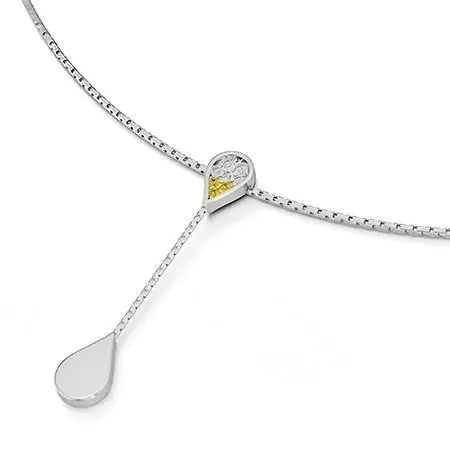
Design trends have also evolved alongside diamond options. Modern jewellery emphasizes personalization, creativity, and contemporary aesthetics. A beautifully crafted designer diamond necklace reflects this shift, combining artistic design with premium materials. Whether set with mined or lab-created stones, such necklaces are designed to make a statement while aligning with the wearer’s personality. The choice of diamond type does not limit design possibilities, as both can be incorporated seamlessly into intricate or minimalist styles.
Resale value is another area where buyers notice differences. Natural diamonds traditionally hold stronger resale value due to long-standing market perceptions and limited supply. Lab-created diamonds, while growing in popularity, may not yet offer the same resale potential. However, many buyers today view diamond jewellery as an emotional and aesthetic investment rather than a financial one. For them, beauty, wearability, and meaning outweigh future resale considerations.
From a durability standpoint, both diamond types perform equally well. Diamonds, regardless of origin, rank highest on the Mohs hardness scale, making them ideal for everyday wear. This durability is especially important for frequently worn jewellery such as rings and necklaces. A designer diamond necklace crafted with precision and high-quality settings can maintain its brilliance and structure for decades, whether it features mined or lab-created stones.
Cultural perception also plays a role in decision-making. Natural diamonds have a long history and are often associated with tradition, heritage, and rarity. Some buyers value the idea of owning something formed naturally over billions of years. Others appreciate innovation and modern technology, viewing lab-created diamonds as a reflection of progress and responsible luxury. Neither choice is inherently better; the right option depends on what resonates most with the buyer.
Ultimately, choosing between diamond types comes down to priorities. Some buyers are drawn to the legacy and rarity of mined stones, while others prefer the affordability, sustainability, and modern appeal of lab-created options. The discussion around lab grown diamonds vs natural diamonds continues to evolve as technology advances and consumer values shift. What remains constant is the emotional significance of diamond jewellery and its role in marking life’s most meaningful moments.
In conclusion, both lab-created and natural diamonds offer exceptional beauty, durability, and design potential. The best choice is the one that aligns with your values, budget, and lifestyle. Whether you are investing in a timeless heirloom or a modern statement piece, understanding your options empowers you to make a confident decision. A well-chosen diamond, set into a thoughtfully crafted piece, will always shine as a symbol of love, celebration, and personal expression—regardless of how it was formed.
Lab grown diamonds offer real brilliance, ethical sourcing, and better value, matching natural diamonds in quality while supporting sustainable jewellery choices for modern buyers worldwide with transparency and advanced technology.
Jewellery Ideas
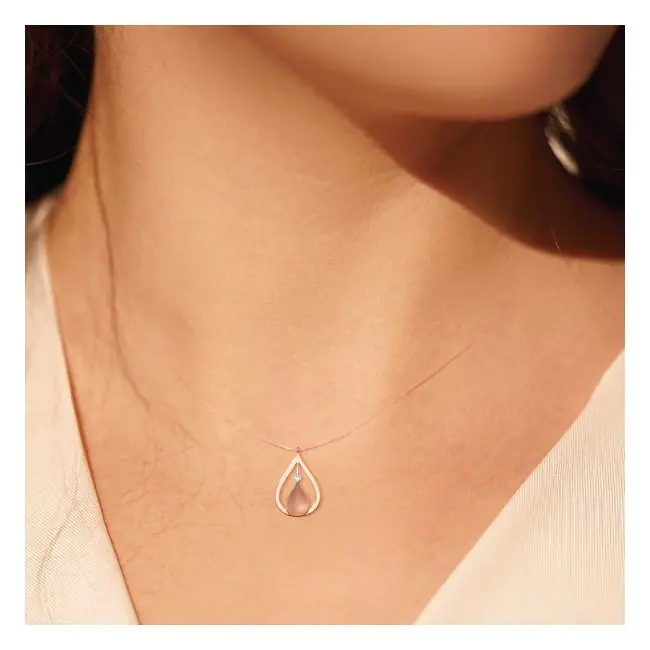
Raah Necklace
Get ready to glow in the Raah necklace in yellow gold. This handcrafted 18k jewellery captures the essence of a raindrop with its smooth, golden silhouette. A sparkling stone sits within, reminding the sunlight catching on water. Refined and graceful accessory.

Circlet White Stone Earrings
Simple, but never shy. The circlet white stone earrings play with a flame-inspired silhouette—two teardrops cradling yellow and white diamonds like a quiet spark. Easy to wear, easier to love—just the kind of everyday glow your jewellery box secretly wishes for.
Please complete your information below to login.
Sign In
Create New Account